1.Applications
Apps report what users actually do.
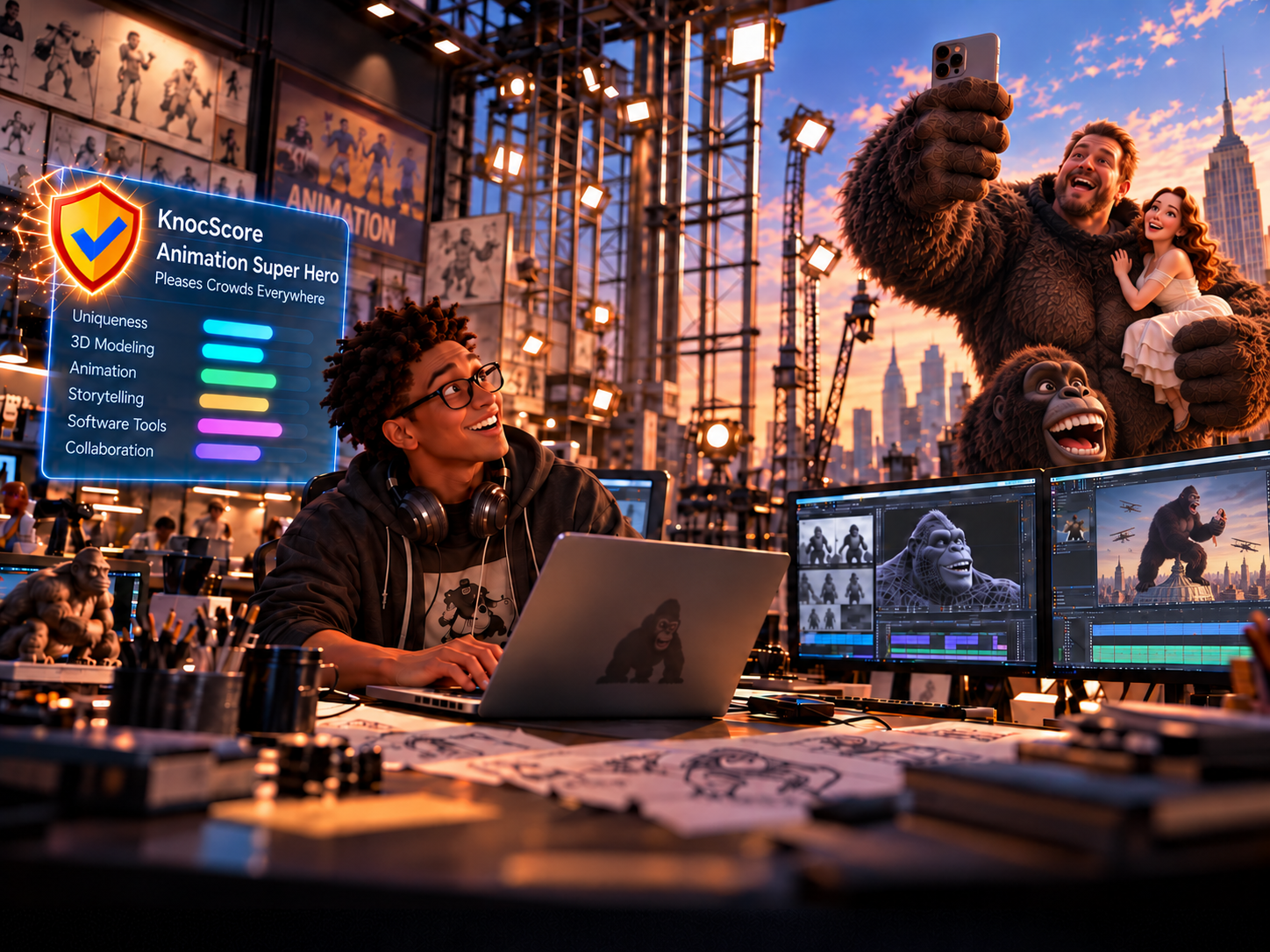
Experience leaves a trail. Applications, software, and hardware can contribute evidence of their users' interactions to KnocScore. Each interaction becomes part of a portable profile they control.
01 · Who should connect
1 . Applications
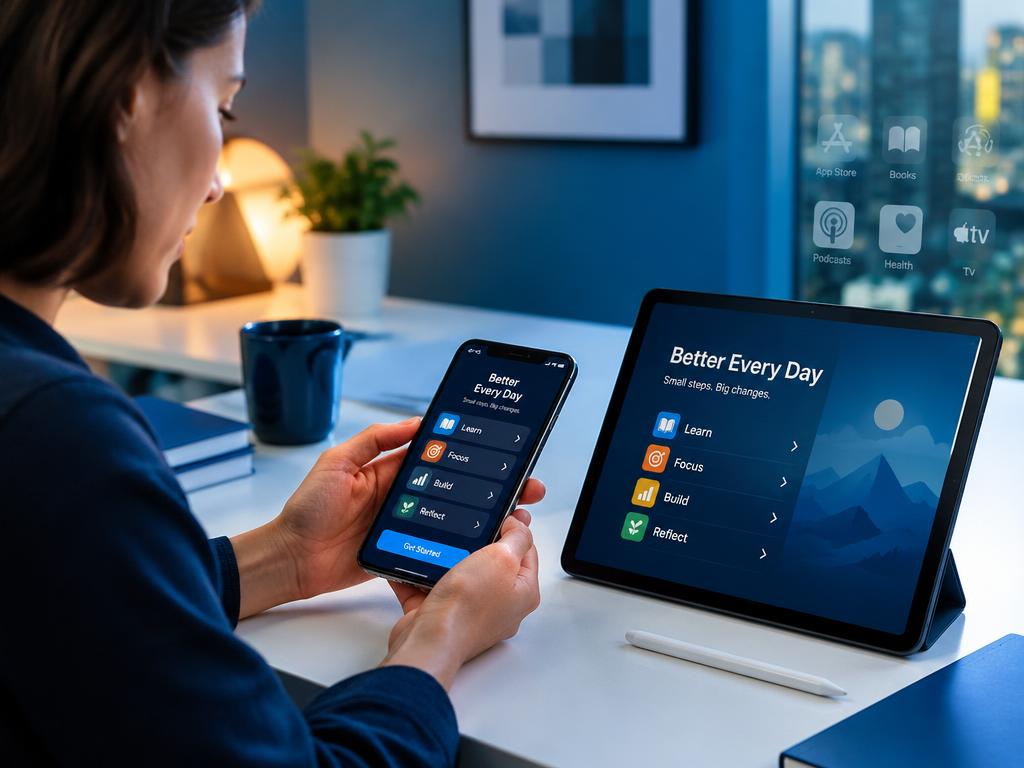
Software that may be provided from an app store or elsewhere, where the operator is not the platform owner.
2 . Software
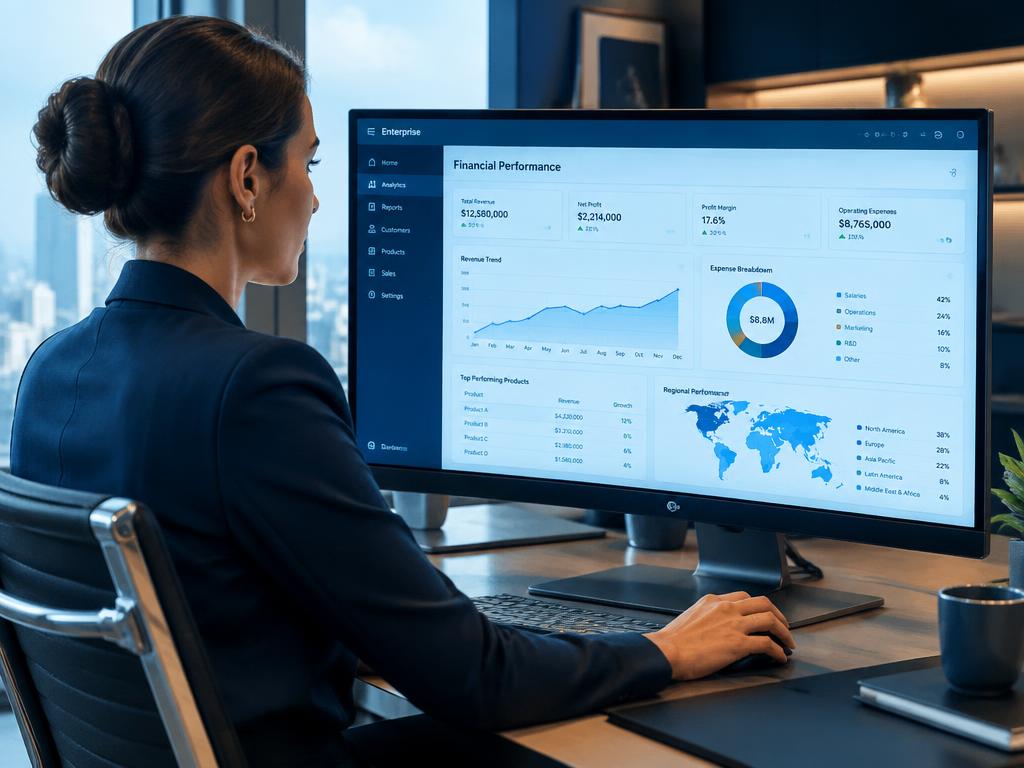
Software where the operator is the platform owner.
3. Hardware
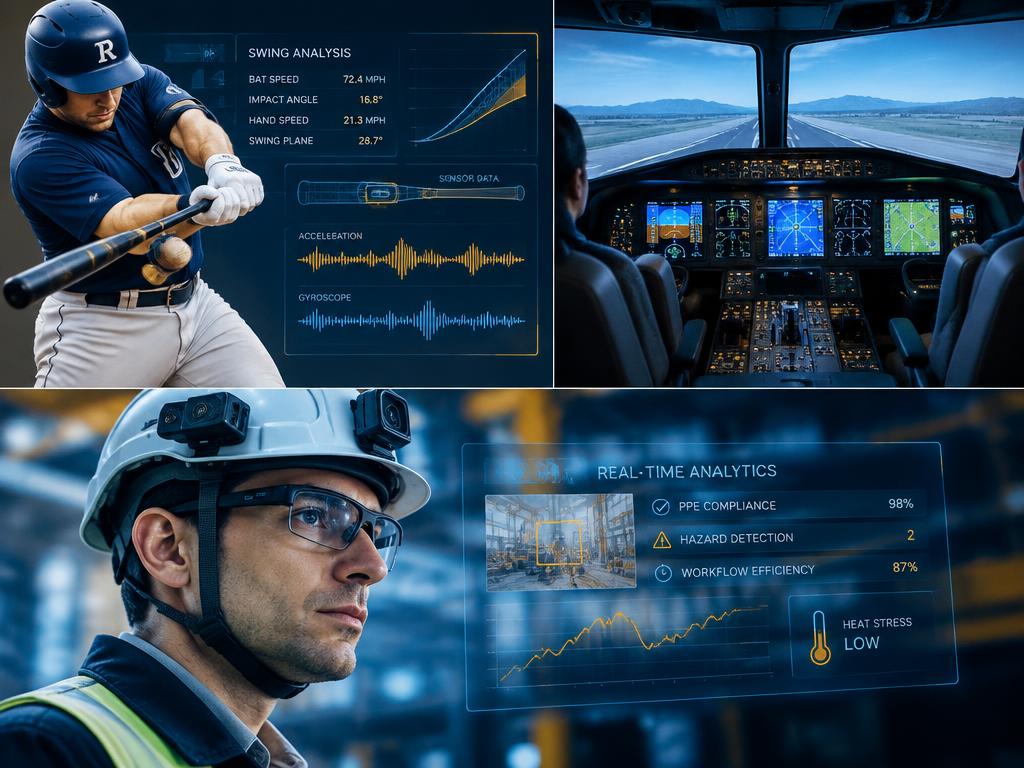
Performance data contributes to an observed user's metrics within the domain, profession, or skill. Analysis provides the understanding and analytics.
Measured effort, shown in a table
| Metric | Measures |
|---|---|
| Time | Effort over time |
| Strength | Force applied |
| Specialized | Field-specific metric |
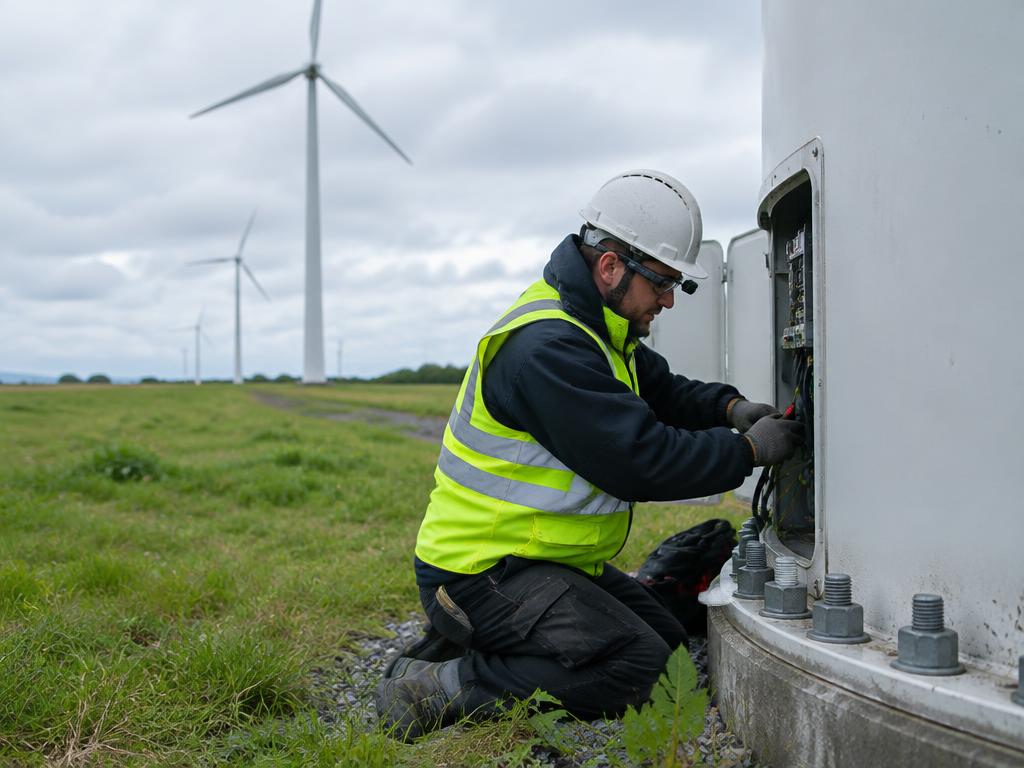
4. Camera-enabled environments
An electrician wearing camera-integrated glasses works the turbine's electrical panel. The work is recorded as it happens, and analysis provides the understanding and analytics.

5. Instrumented machines
Sensors on the machine record the work over time. Effort, duration, and field-specific metrics contribute to the operator's metrics within the domain.
Examples
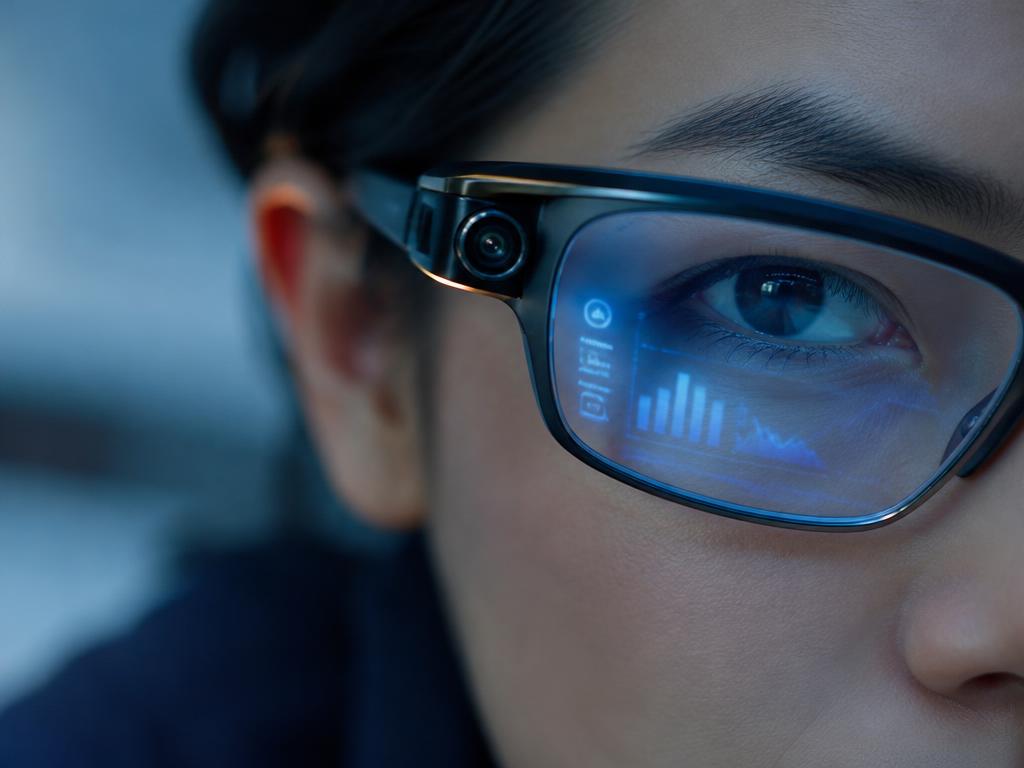
6. Augmented Reality Systems
A camera integrated into the frame; analysis provides the understanding and analytics.
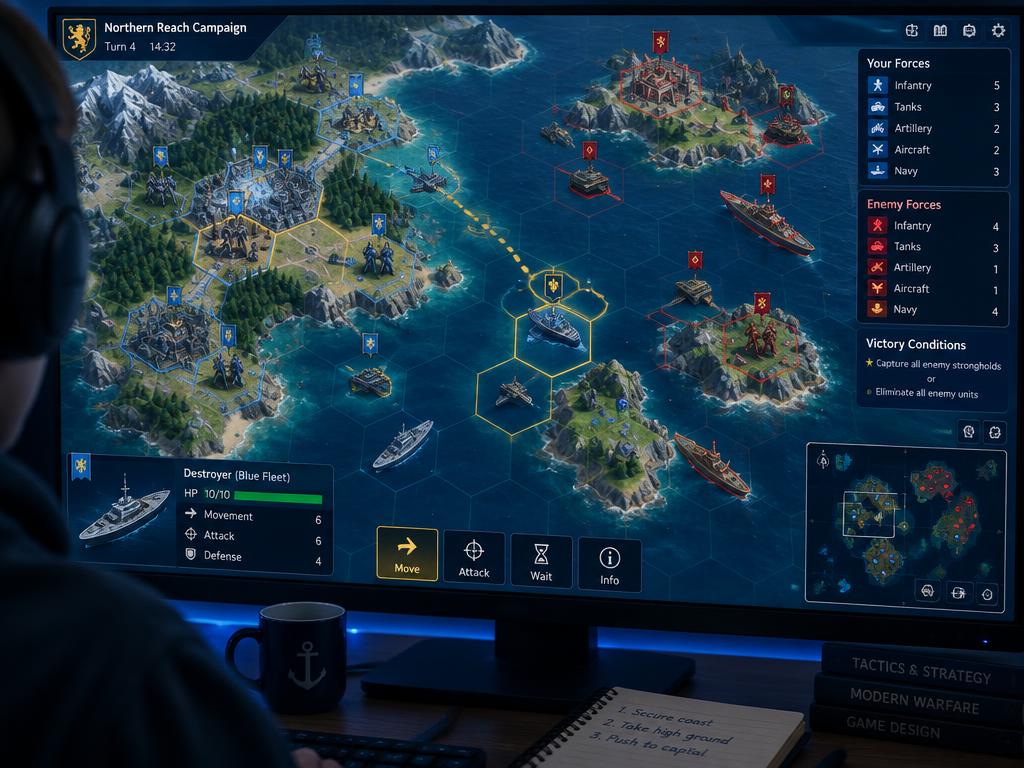
7. Games
Decisions and tactics in play convey strategic skill.
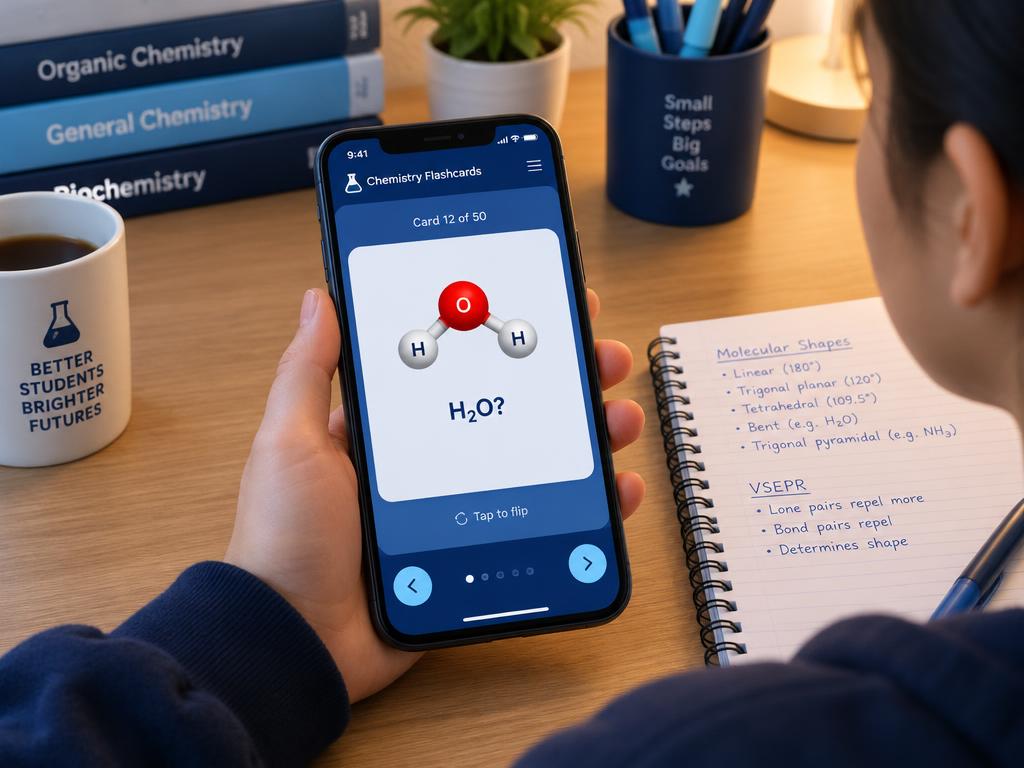
8. Learning
Study and recall convey knowledge of the field.
Real-world simulation games
Games that recreate a real activity and report what happened. The play is the practice, so the session becomes evidence of the skill being worked on.
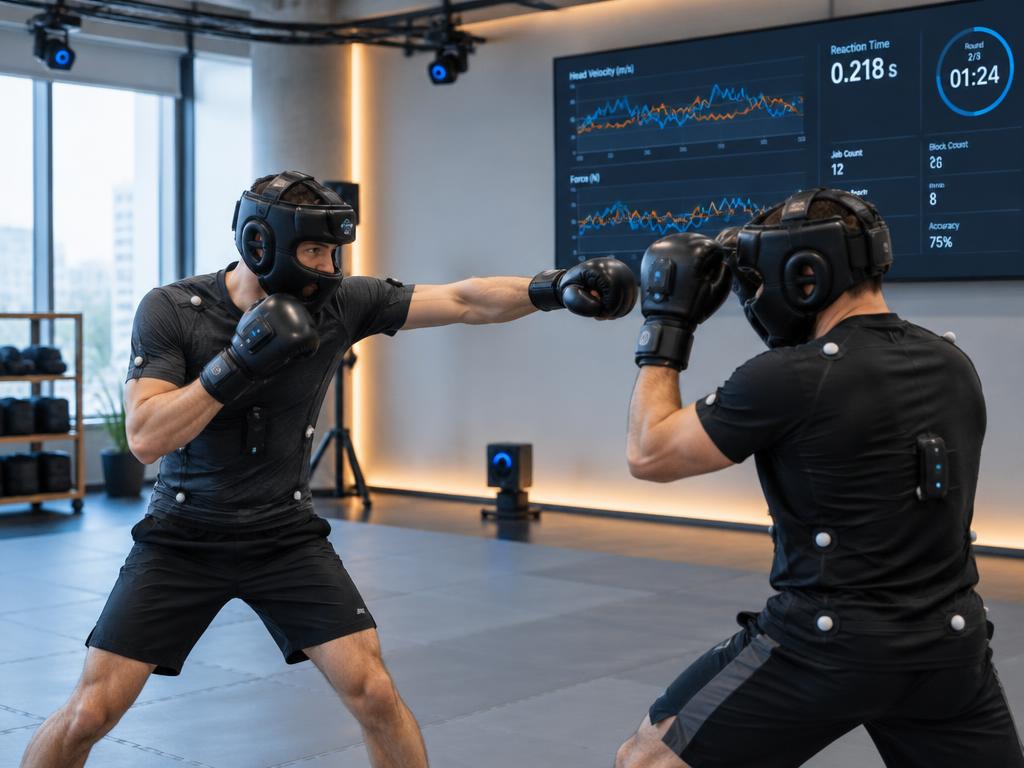
9. Hand to Hand Combat
Gloves, headgear, and tracking sensors capture strikes, blocks, and reaction time across rounds.
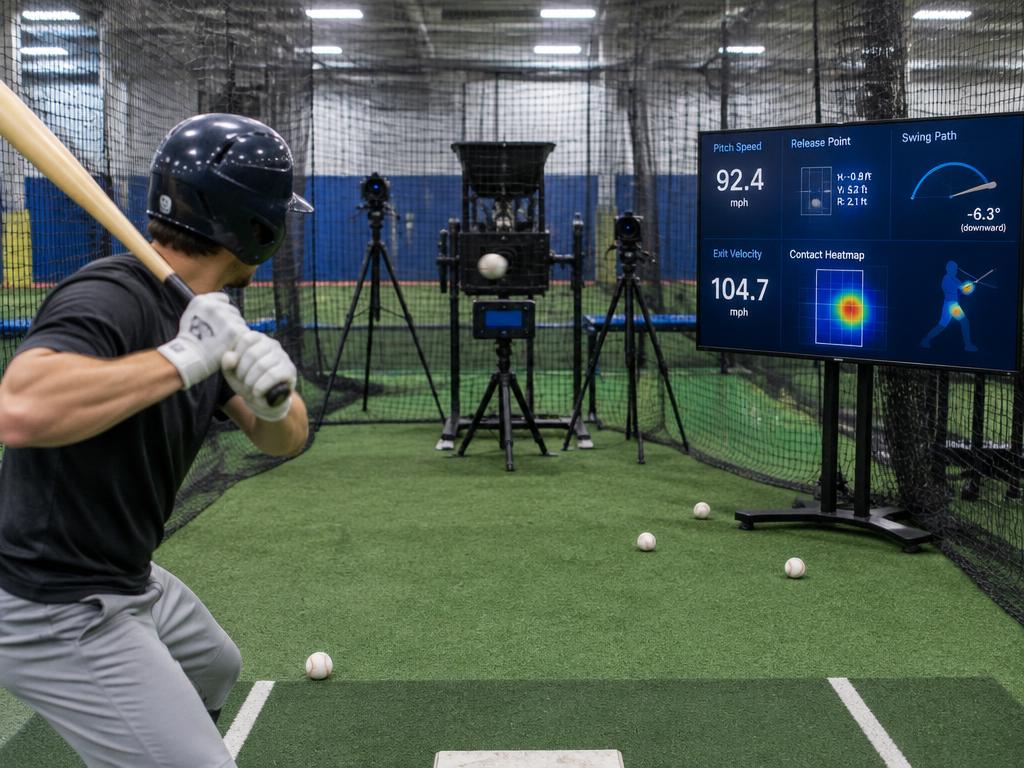
10. Baseball
A batter, a pitching machine, and a record of pitch speed, release point, swing path, and exit velocity.
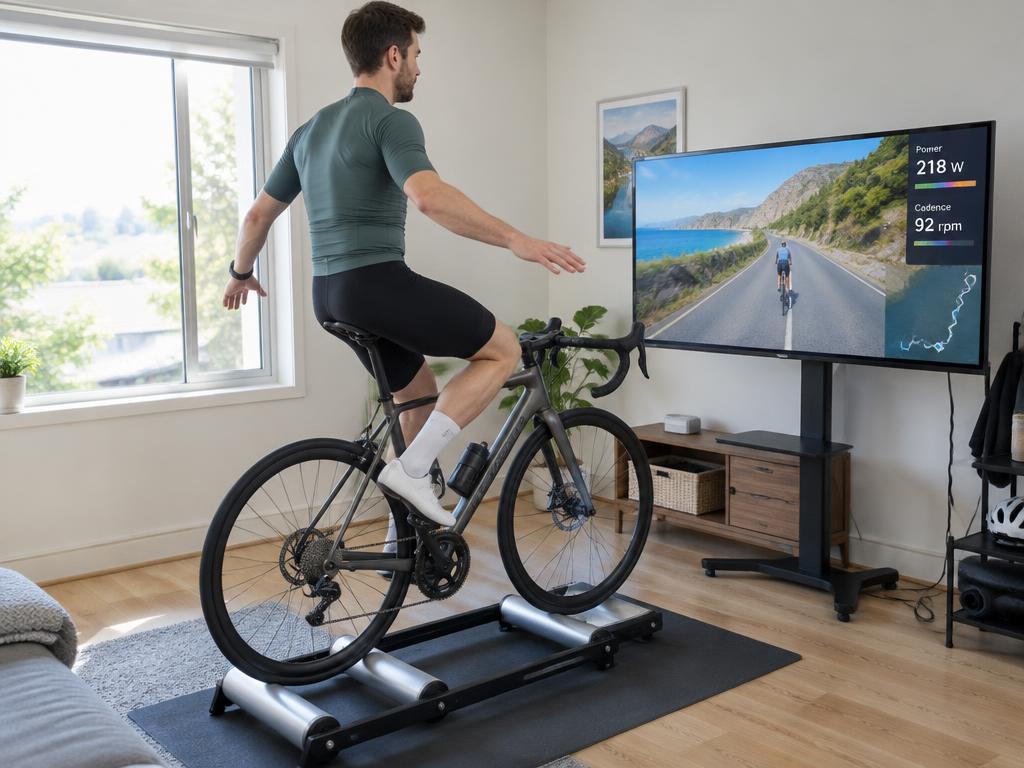
11. Cycling
An ordinary road bike on rollers — three drums in a low frame, the wheels resting freely on top. The rider has to balance while pedaling, a device professional cyclists train on.
How evidence flows
Providers send
Apps report what users actually do.
Platform-run tools send completed work.
Instrumented devices capture real tasks.
Simulations and study record skill.
KnocScore
Each interaction becomes a piece of evidence.
The observed user
The observed user sees all of their evidence.
They decide who can view it, and when.
02 · Providers
1. Content-Focused
The content is the focus of the interaction. Example: Text Editor
2. Practice-focused
There may be no content to analyze — proper, consistent use is itself practicing the art of the field. Example: Calculator, Game-Simulator
3. Hybrid
Fields where the work is measured by how it is practiced rather than any single piece of content. Example: Software Editing Tools
Research and experimental integrations are reviewed individually. Every provider earns its connection — approval reflects real users, genuine interactions, and reliable evidence.
03 · What providers send
Each interaction is an evidence particle. Providers send interactions their users have authorized, from their own server — users' data never goes to KnocScore straight from the browser.
Interactions fall into four kinds: discussion, creation, practice, and study. Study is further split into free recall and prompted interactions.
The end user the interaction belongs to, so it reaches the right profile.
How long the session lasted.
How many people took part, and who else was involved.
The session's text or activity — the material KnocScore analyzes.
04 · What users see
The distinct domains detected in the session.
The distinct skills the work demonstrated.
Average competence and complexity for the session.
Session minutes and the amount of work analyzed.
Example session result
Providers show this in their own app — for example behind a "View results" button.
Connected providers can display the Contributor Symbol, telling users their contributions count toward a future they've built. Approved providers also get a public connection page confirming they are accepted and connected.
05 · Source trust
Trust is never granted automatically. Each provider's evidence is rated by the probability it is correct — based on independent oversight, transparency, accountability, and the consequences of inaccuracy.
The interaction and the individual are directly observed and verified — live applications that show the work was done by the person, not AI or someone else.
Independent oversight and real consequences for errors — for example, patents maintained by the USPTO or EPO.
Peer oversight with limited visibility — for example, academic publications.
Supervisor reports, recommendations, and grades that are hard to verify independently.
Social media, résumés, and other self-reported claims.
06 · Connecting
Connecting, sending, and receiving takes a short, familiar round trip.
Results come back in one response, ready to show your users.
Documentation is published for AI coding assistants, so they can help wire it up.
Enter your email and we’ll send you a reset link.
Remembered your password?